
Topic
Licensing & Partnership
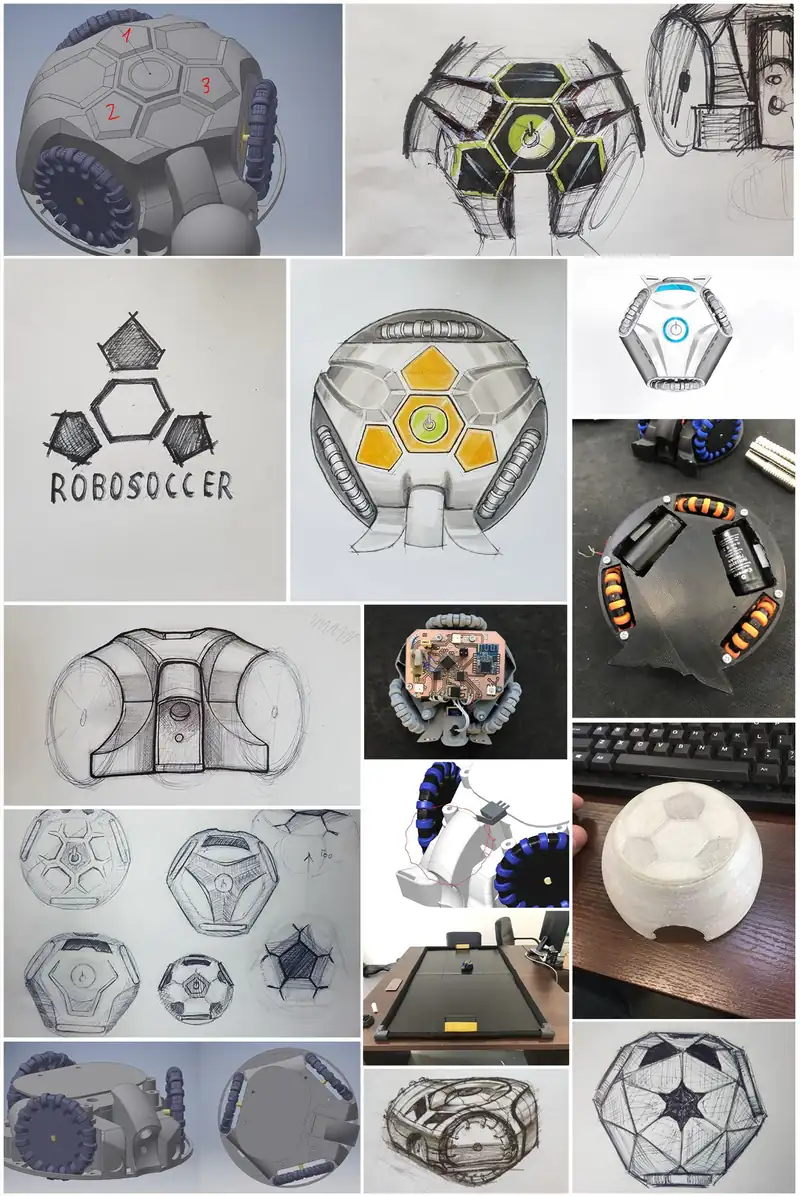
The three ways to partner with us, and the thinking behind each.
 Licensing & Partnership
How Hasbro, Mattel and Spin Master Take Outside Toy Ideas (2026)
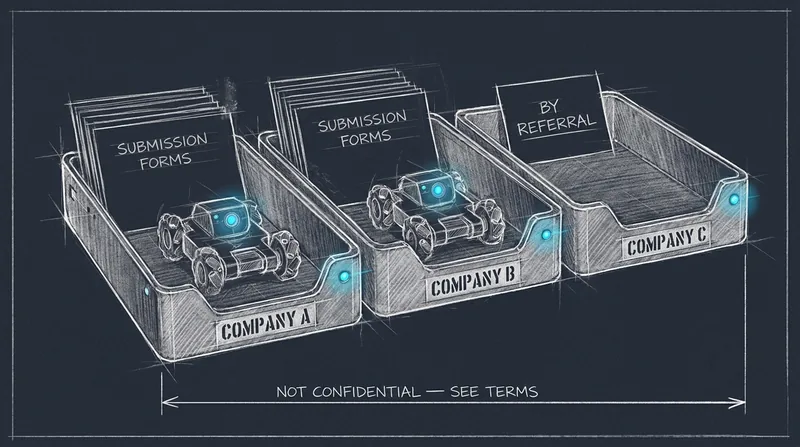
Hasbro and Mattel each run an open web portal where anyone 18 or older can submit a toy idea directly. Spin Master does not. Here is what each company accepts, who may submit, what "not confidential" means in practice, and the royalty terms each one states — checked at the source in September 2026.
 Licensing & Partnership
Toy Licensing Royalty Rates and Deal Terms, Explained
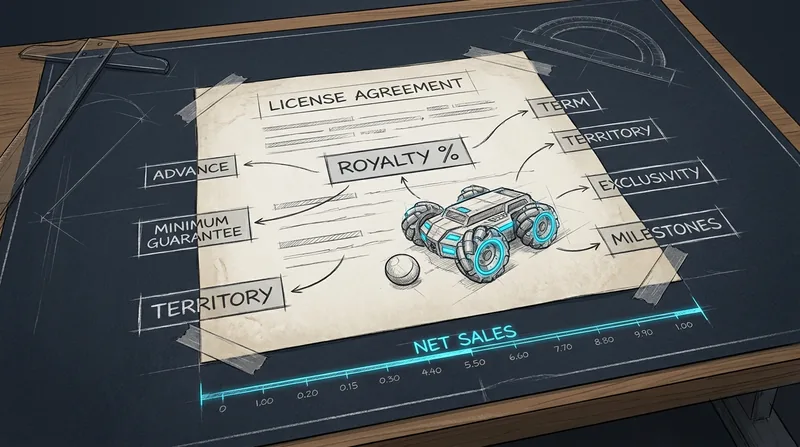
Toy royalties are paid on the licensee's net sales, not the shelf price. Inventors who license a toy concept usually get 3 to 5 percent; character and brand licenses run higher, from 1 to 22 percent at one public toy maker. Here is how advances, minimum guarantees, term, territory, exclusivity and milestones shape the deal.
 Licensing & Partnership
License or Manufacture? The Cost Math of a Robotics Toy
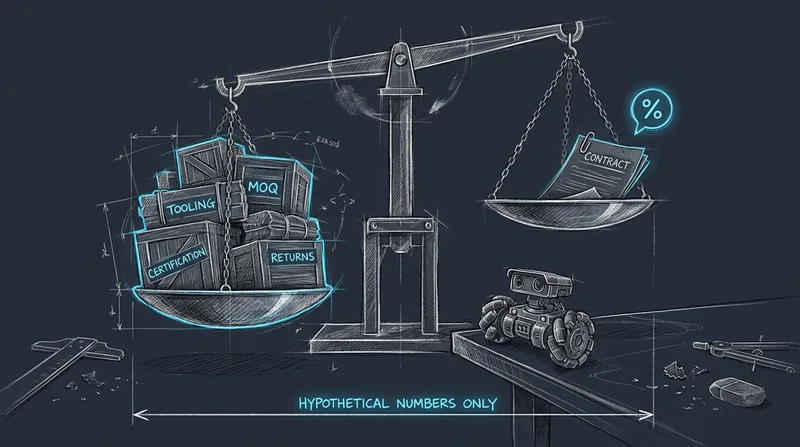
Manufacturing a robotics toy yourself means paying for tooling, a minimum order quantity, safety and radio certification, and holiday-season returns risk before the first sale. Licensing trades a share of revenue — publicly reported rates run from about 3% to the high teens of net sales — for someone else to carry that risk. Here is the public cost math, with a hypothetical worked example.
 Licensing & Partnership
Why we license RoboSoccer instead of manufacturing it
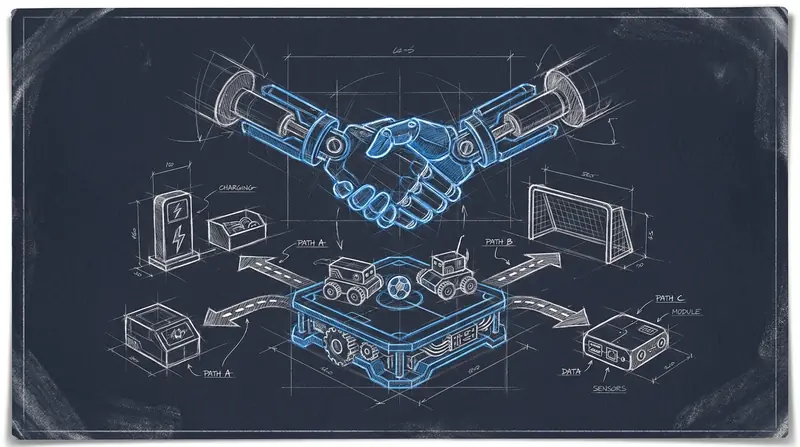
We built the robot soccer game. We're not the right team to mass-manufacture and retail it in America — so we partner, openly and non-exclusively, three clear ways. Here's the thinking.
 Licensing & Partnership
Robotics Toy IP Available to License: A Finished Robot Soccer Platform for US Partners
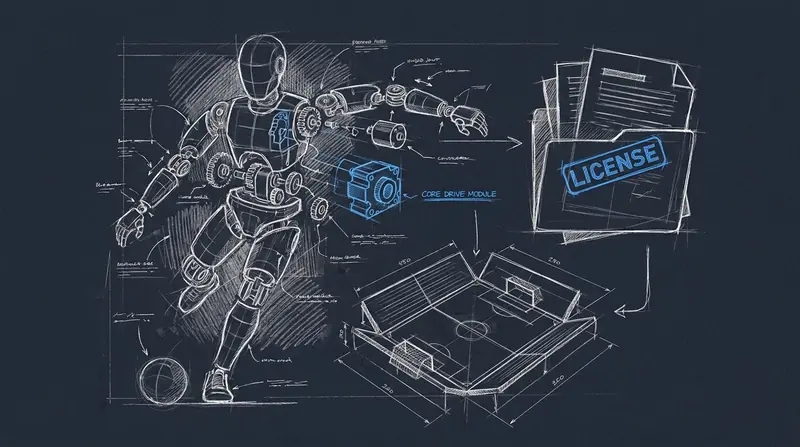
Yes — there is a finished robot soccer product available to license to a US partner. It is RoboSoccer, a proprietary, non-exclusive, fully working platform ready to build on.
 Licensing & Partnership
How to License a Hardware Product to a US Partner: A Practical Guide (With a Real Example)
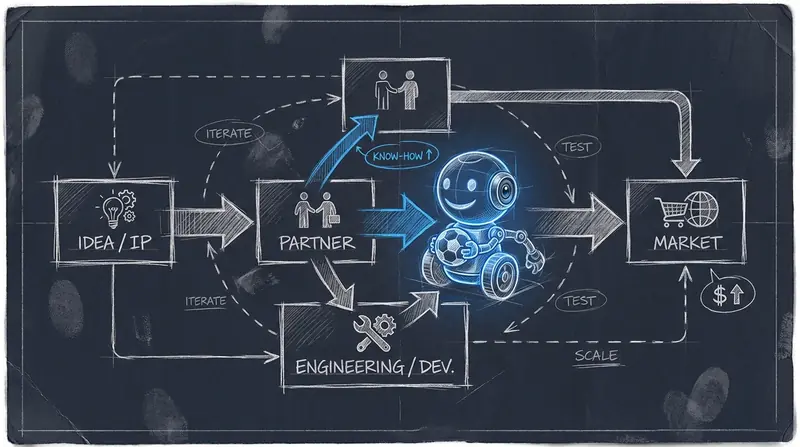
Licensing a hardware product to a US partner means handing over the proven design and know-how so they can manufacture and sell — without you building a factory. Here is the process, with RoboSoccer as a worked example.
 Licensing & Partnership
Co-Develop, License, or White-Label: 3 Ways to Bring a Robot Soccer Platform to Market
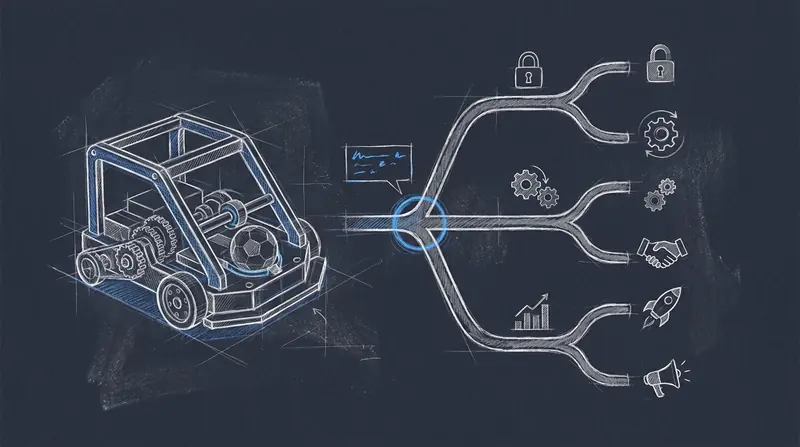
There are three open, non-exclusive ways to bring RoboSoccer to market: license the technology and build your own, co-develop and launch with the original team, or white-label and grow the platform under your brand.